
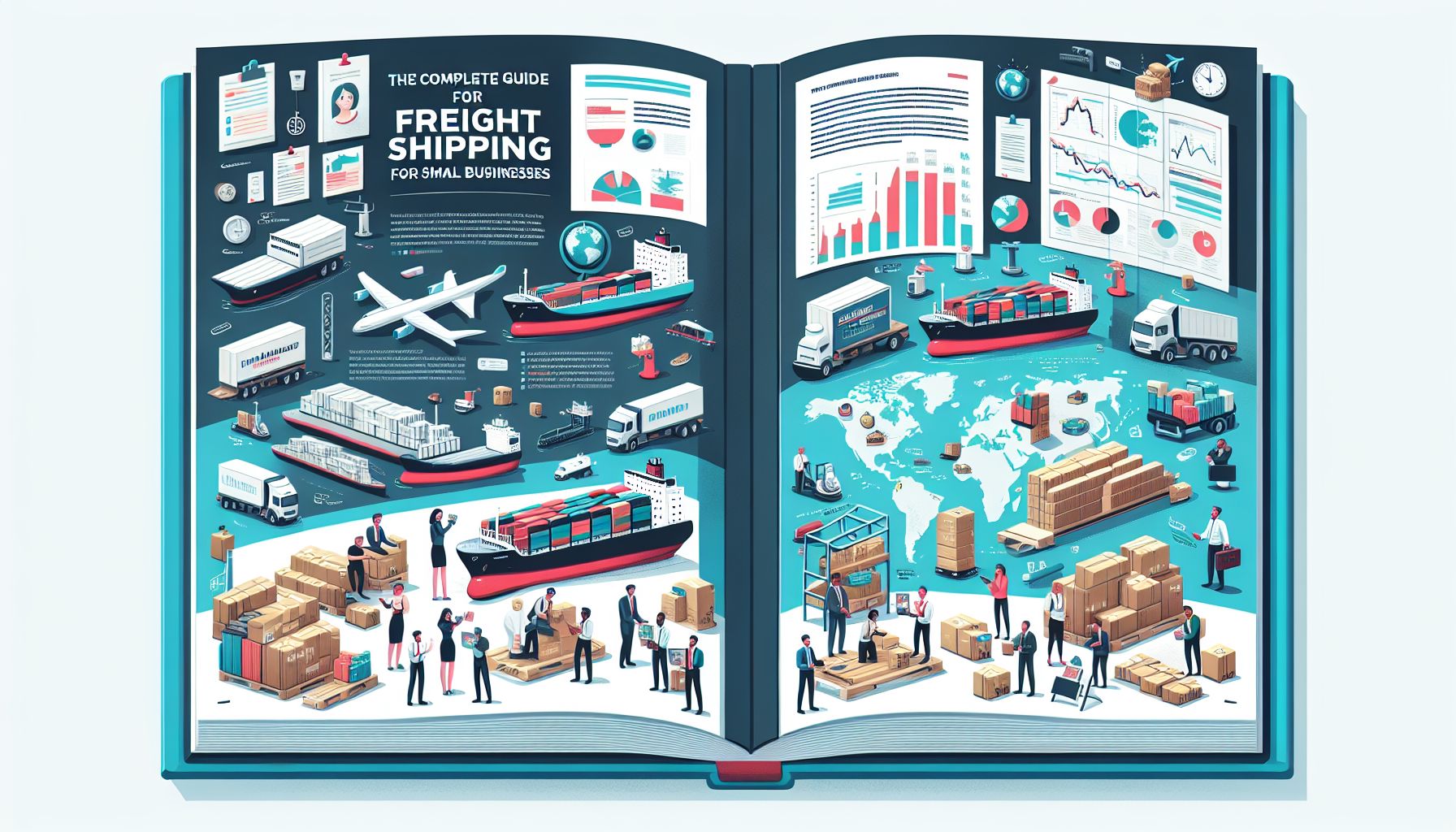
Freight shipping plays a crucial role in connecting businesses with customers and suppliers. Small businesses often rely on freight shipping to move goods efficiently and cost-effectively. This guide provides valuable insights into freight shipping, helping small businesses understand and optimize their shipping processes.
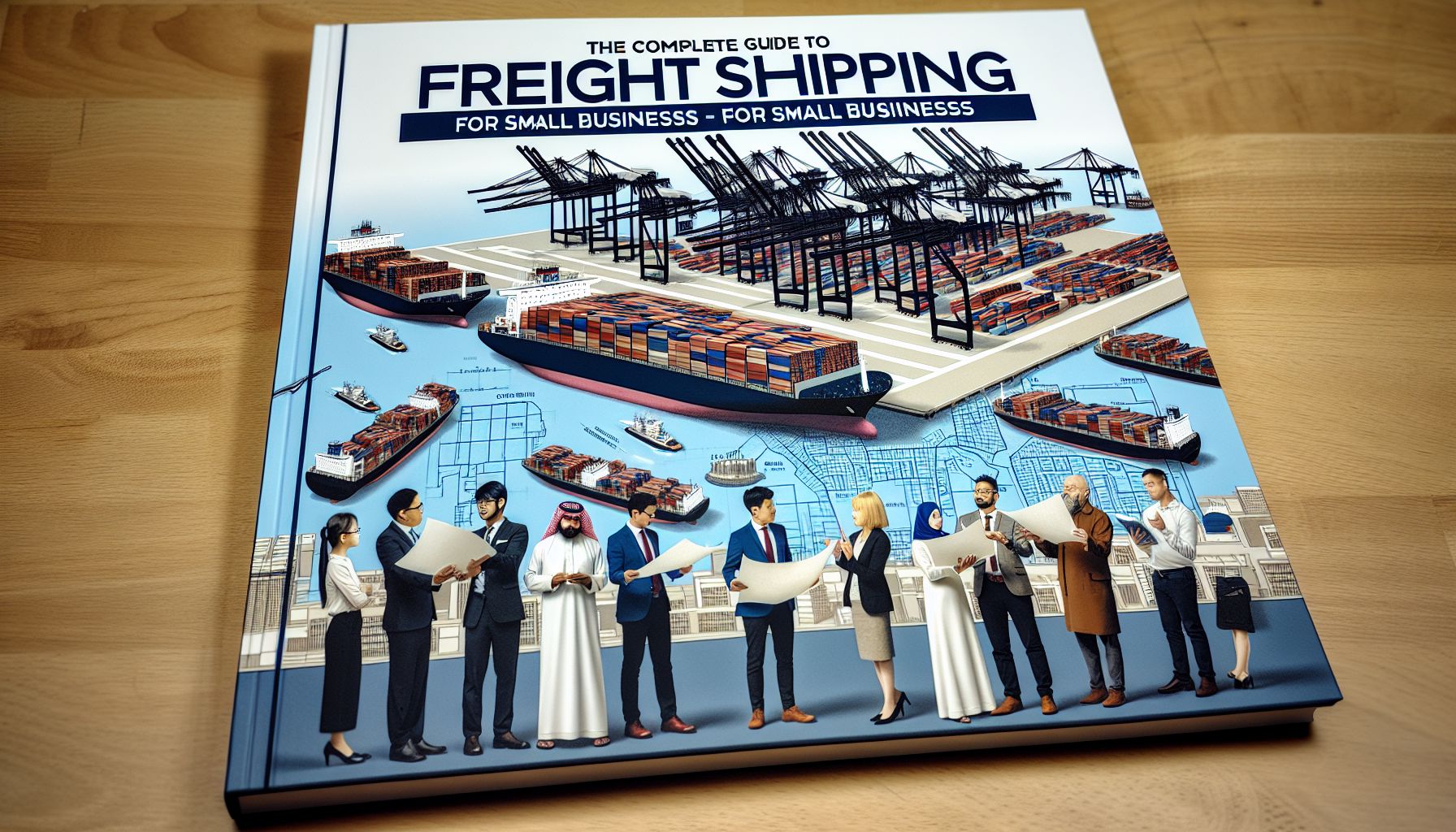
What is Freight Shipping?
Freight shipping is the process of transporting goods, commodities, and cargo in bulk. Businesses use freight shipping to send large quantities of products over long distances, using various transportation modes such as trucks, ships, airplanes, and trains.
Types of Freight Shipping
LTL (Less Than Truckload)
LTL shipping suits businesses with smaller shipment volumes. It allows multiple businesses to share the same truck space, reducing costs. LTL shipping is cost-efficient for businesses that do not require a full truckload.
FTL (Full Truckload)
FTL shipping is ideal for businesses with large shipments that can fill an entire truck. It is faster and more direct since the cargo goes from the supplier to the destination without stopping at multiple points.
Ocean Freight
Businesses often use ocean freight for international shipping. It is cost-effective for transporting large quantities of goods across seas. However, it may take longer compared to air freight.
Air Freight
Air freight is the fastest mode of freight shipping. Businesses use it for time-sensitive shipments that have higher value-to-weight ratios. It is more expensive compared to other shipping methods.
Choosing the Right Freight Shipping Option
Cost Considerations
Evaluate shipping costs based on budget and volume. LTL might be suitable for limited goods, while FTL provides better value for larger shipments. Compare quotes from different freight companies.
Delivery Time
Consider shipment urgency. Air freight delivers faster, while ocean freight can take weeks. Balance cost against delivery needs.
Distance
Use local or regional trucking for short distances. For global shipping, air or ocean freight are practical choices.
Fragility of Goods
Choose transportation methods based on goods’ fragility. Air freight offers smooth handling for delicate items, reducing damage risk.
How to Prepare Freight for Shipping
Packaging
Use sturdy boxes, pallets, or crates for packaging. Secure items to prevent shifting during transit. Label packages clearly with shipping information.
Documentation
Prepare necessary documents like bills of lading, invoices, and customs paperwork. Accurate documentation avoids delays and compliance issues.
Weight and Dimensions
Ensure accurate measurement of shipments. Incorrect measurements can lead to additional charges or shipment rejection.
Labeling
Use clear and accurate labels for each package. Include destination address, return address, and any special handling instructions.
Choosing a Freight Shipping Provider
Reliability
Look for providers with a proven track record of on-time deliveries. Check reviews and references from other businesses.
Pricing
Request quotes from multiple providers. Ensure pricing aligns with your budget without sacrificing quality of service.
Customer Support
Choose providers that offer excellent customer support. Good communication helps address issues quickly and efficiently.
Technology
Select providers with advanced tracking systems. Real-time tracking improves visibility and predictability of shipments.
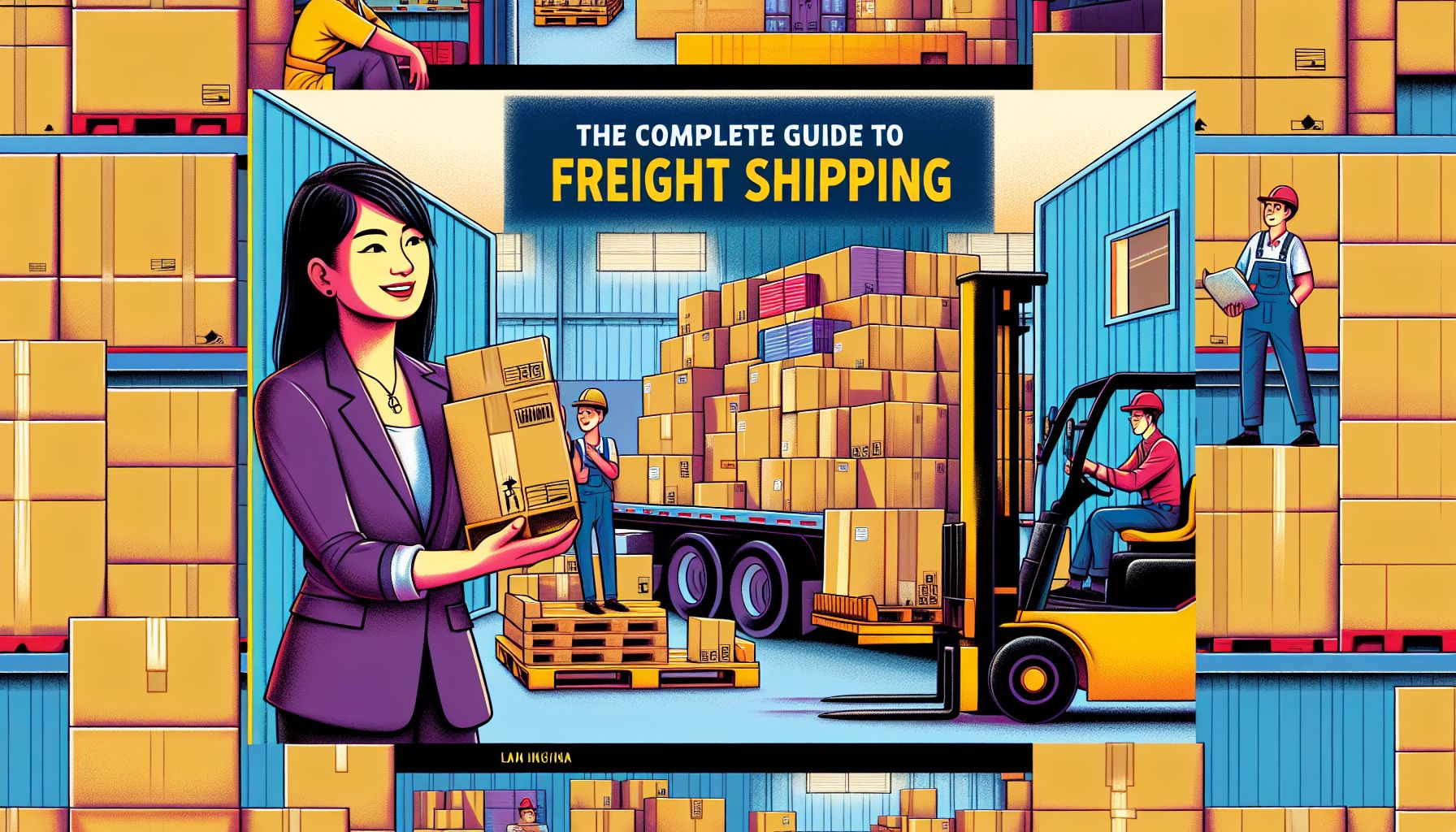
Pros and Cons of Freight Shipping
Pros
- Cost-Effective for Large Shipments: Freight shipping reduces per-unit cost.
- Multiple Shipping Options: Provides different transportation modes.
- Global Reach: Enables international trade.
- Flexibility: Accommodates various shipment sizes.
Cons
- Shipping Delays: Weather and customs can delay deliveries.
- Complex Documentation: Requires precise paperwork.
- High Costs for Certain Methods: Air freight can be expensive.
Streamlining Your Freight Shipping Process
Efficient Scheduling
Plan shipments based on production schedules and demand forecasting. This planning reduces last-minute rush orders.
Technological Integration
Use software solutions for inventory management and shipment tracking. Technology enhances communication and efficiency in freight shipping operations.
Building Relationships
Develop strong relationships with freight providers. Trust and good communication can lead to better rates and services.
Resources and Useful Links
For an in-depth freight shipping guide, visit Freightos freight shipping guide.
For further information on freight shipping options, visit FedEx Freight and UPS Freight.
Freight shipping is vital for small businesses aiming to expand their market reach. Understanding types, costs, and preparation techniques enables businesses to optimize their logistics strategy. By choosing the right provider and refining shipping processes, businesses can reduce costs and improve operational efficiency.







Comments are closed