

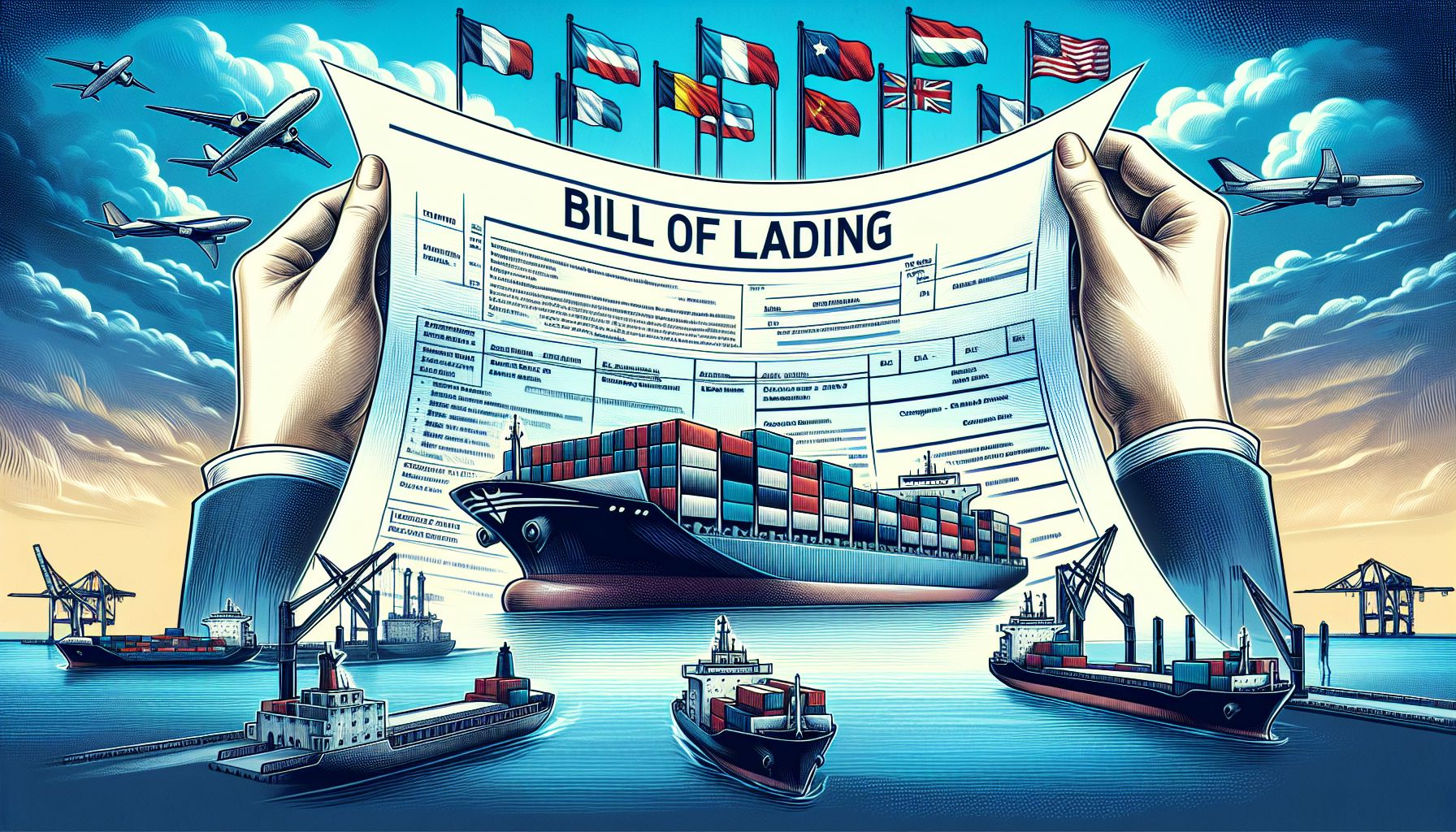
A Bill of Lading (B/L) is a critical document in the world of shipping. It acts as a contract between the shipper and carrier, as well as a receipt of goods. This document is crucial for the process of transporting goods. Let’s explore what a Bill of Lading is and why it plays a significant role in shipping.
What is a Bill of Lading?
A Bill of Lading is a legal document. It ensures that the terms agreed upon for the shipping process are met. It outlines details about the goods being transported. This includes type, quantity, and destination. The B/L is issued by a carrier to a shipper, and it must be presented at the destination to receive the shipment.
The Bill of Lading definition is simple and straightforward. The document serves to ensure that the transportation process is carried out as agreed. There are different types of Bills of Lading, each serving a specific function based on the mode of transport and the contractual terms agreed upon.

Types of Bill of Lading
Several types of Bill of Lading exist. Each type serves a different purpose:
-
Straight Bill of Lading: This is non-transferable. The goods are delivered to a specific person or company.
-
Bearer Bill of Lading: This type allows the delivery of goods to whoever holds the B/L.
-
Order Bill of Lading: This type is negotiable. The consignee can endorse it to transfer ownership.
-
Clean Bill of Lading: This indicates the goods were received in good condition.
-
Received for Shipment Bill of Lading: This confirms the carrier has received the goods.
Functions of a Bill of Lading
A Bill of Lading serves three main functions:
1. Receipt of Goods
The B/L acts as a receipt. It confirms that the carrier has received the goods. This serves as proof for both the shipper and the consignee. It assures them that the carrier is responsible for the goods once they are in possession.
2. Document of Title
The B/L serves as a document of title. It represents ownership of the goods. This ownership can be transferred to another party. For transferable Bills of Lading, ownership can be negotiated and signed over to another party.
3. Contract of Carriage
The B/L acts as a contract of carriage. It outlines the specific terms and conditions of the shipment. These terms are agreed upon by the shipper and carrier. It helps avoid disputes by providing a clear record of obligations.
Importance of a Bill of Lading
The Bill of Lading is important. It protects the interests of all parties involved. It ensures that the shipping process is smooth and clear.
Legal Protection
The B/L provides legal protection. If any issues arise like damage or loss, the document provides proof of terms. This helps in legal claims or disputes.
Tracking and Efficiency
A B/L contains detailed information about the shipment. It aids in tracking and monitoring the cargo. It ensures that shipping complies with governing laws and regulations.
Pros and Cons of a Bill of Lading
A Bill of Lading has its pros and cons. Understanding these can help businesses make informed decisions.
Pros
- Clear Documentation: It provides a clear record of the goods shipped.
- Legal Protection: It serves as legal evidence in disputes.
- Ownership Rights: It allows for the transfer of ownership.
Cons
- Potential for Errors: Incorrect details can cause shipment delays.
- Dependency on a Document: Losing a B/L can complicate the delivery process.
- Forgery Risks: There is a risk of B/L forgery, which can lead to disputes over ownership.
Real-World Example
Consider a company shipping electronics from China to the United States. They use a Bill of Lading as part of their shipping documentation. The document outlines the electronics being shipped, the quantity, and the destination address in the US. If a dispute arises over the quantity or condition upon arrival, the Bill of Lading acts as proof of the original terms agreed upon.
How to Obtain a Bill of Lading
Shippers can obtain a Bill of Lading from the carrier. It is issued once the carrier receives the goods for transport. To ensure smooth transactions, it is vital to ensure all details are accurate.
Conclusion
A Bill of Lading is essential in shipping. It functions as a receipt, a document of title, and a contract of carriage. Understanding its purpose and importance can prevent shipping issues and protect the interests of all parties involved. It is advisable for businesses to familiarize themselves with different types of B/Ls and their uses. This will help them optimize their shipping processes and ensure smooth, efficient deliveries. To learn more about international shipping, you can visit websites such as Maersk and Hapag-Lloyd.







Comments are closed