

In the shipping industry, there are two common methods for transporting goods: LTL (Less Than Truckload) and FTL (Full Truckload). Each method serves a different purpose and caters to varying shipping needs. Choosing the right option depends on shipment size, budget, and delivery urgency.
What is LTL Shipping?
LTL shipping refers to the transportation of goods that do not require a full truck. Multiple shippers share the same truck space, resulting in cost savings. This method is ideal for businesses with smaller shipments or when inventory needs restocking incrementally.
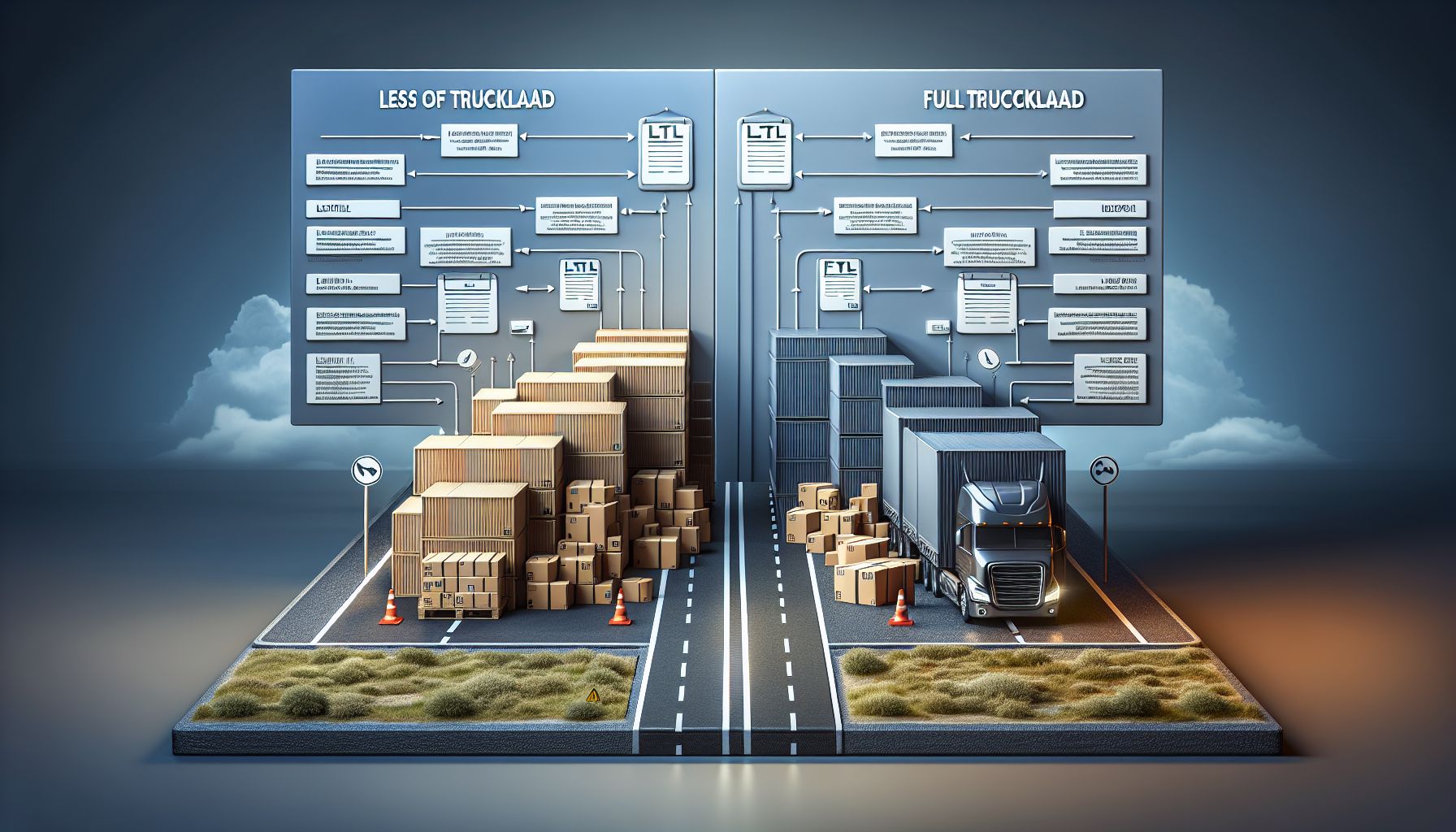
Advantages of LTL Shipping
-
Cost-Effectiveness: Sharing truck space reduces costs since multiple companies share the transportation expenses. Businesses only pay for the space they use.
-
Flexibility: With LTL shipping, companies can send smaller product quantities, providing more inventory flexibility.
-
Environmentally Friendly: LTL shipping consolidates shipments from various shippers. This results in fewer trucks on the road, reducing emissions.
-
Widespread Accessibility: LTL services often operate between major hubs and regions, offering access to various geographical areas.
Disadvantages of LTL Shipping
-
Longer Transit Times: Since the truck makes multiple stops, shipments might take longer to reach the destination.
-
Higher Risk of Damage: With numerous loadings and unloadings, the risk of damage increases.
-
Complicated Tracking: Sharing a truck with other shipments can make tracking complex, as multiple drop-off points exist.
For a more in-depth look, LTL shipping explained can provide further insight.
What is FTL Shipping?
FTL shipping involves a single company using the entire truck for their goods. This method suits large shipments or when goods require dedicated space. Businesses that ship high volumes frequently choose FTL.
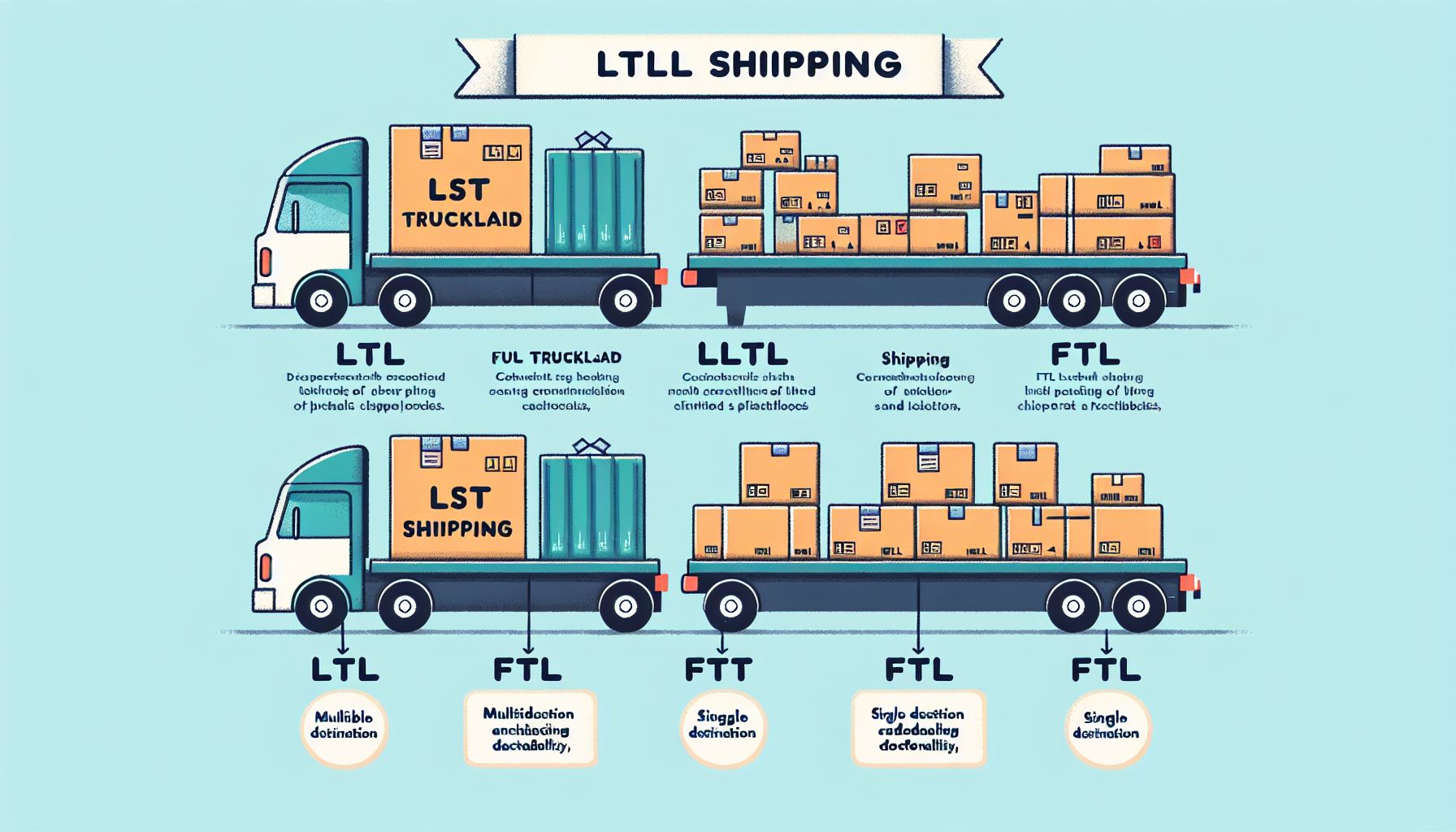
Advantages of FTL Shipping
-
Faster Delivery: Because the shipment moves directly from the origin to the destination, transit times are usually shorter.
-
Increased Safety: Dedicated space reduces the risk of damage, as goods are less frequently loaded or unloaded.
-
Simplified Tracking: With only one shipper, tracking becomes straightforward without multiple stops or shared space.
-
Ideal for Large Loads: For businesses with large orders, FTL provides an efficient shipping solution.
Disadvantages of FTL Shipping
-
Higher Costs: FTL can be more expensive since the shipper pays for the entire truck.
-
Less Flexibility with Smaller Loads: Businesses with smaller shipments may find FTL cost-prohibitive if they cannot fill the truck.
How to Choose Between LTL and FTL
Selecting between LTL and FTL depends on several factors:
-
Shipment Size: For small and frequent shipments, LTL might be the better choice. Conversely, for large shipments or when shipping in bulk, FTL could be more suitable.
-
Budget Considerations: Analyze the costs involved in both methods. If budget constraints exist, LTL offers cost savings. However, evaluate whether the value of faster and safer delivery with FTL justifies the higher cost.
-
Urgency and Time Sensitivity: If speed is crucial, consider FTL for its direct routes. LTL may take longer due to multiple stops and consolidations.
-
Product Type and Handling Needs: Consider the fragility and handling requirements of your goods. Delicate items might benefit more from the safer transport environment provided by FTL.
Case Study: Small vs Large Businesses
Small Business Scenario
XYZ Store, a small retail business, regularly replenishes inventory with manageable quantities. They find LTL shipping beneficial to keep costs down, as they never need an entire truck space. By choosing LTL, they align with their budget while maintaining a reliable restocking schedule.
Large Business Scenario
ABC Corporation, a large-scale manufacturer, often ships large quantities of goods nationwide. They prefer FTL shipping for its speed and direct route benefits. Using FTL ensures that products reach distribution centers without significant delays, meeting their clients’ demands promptly.
Final Thoughts
Choosing between LTL and FTL shipping depends on specific business needs. Evaluate shipment sizes, budget constraints, and urgency. Businesses should assess each method’s pros and cons. This approach ensures the chosen shipping method aligns with logistical and financial goals.
For those looking to learn more about these shipping methods, Freightquote offers valuable resources to guide businesses in making informed decisions.
Related Reading
For further information, explore Logistics Management and Supply Chain Dive for comprehensive insights into shipping strategies.
In conclusion, understanding the nuances of LTL and FTL shipping empowers businesses to optimize their logistics strategy. Making informed decisions in this area can improve operational efficiency and customer satisfaction.




Comments are closed