
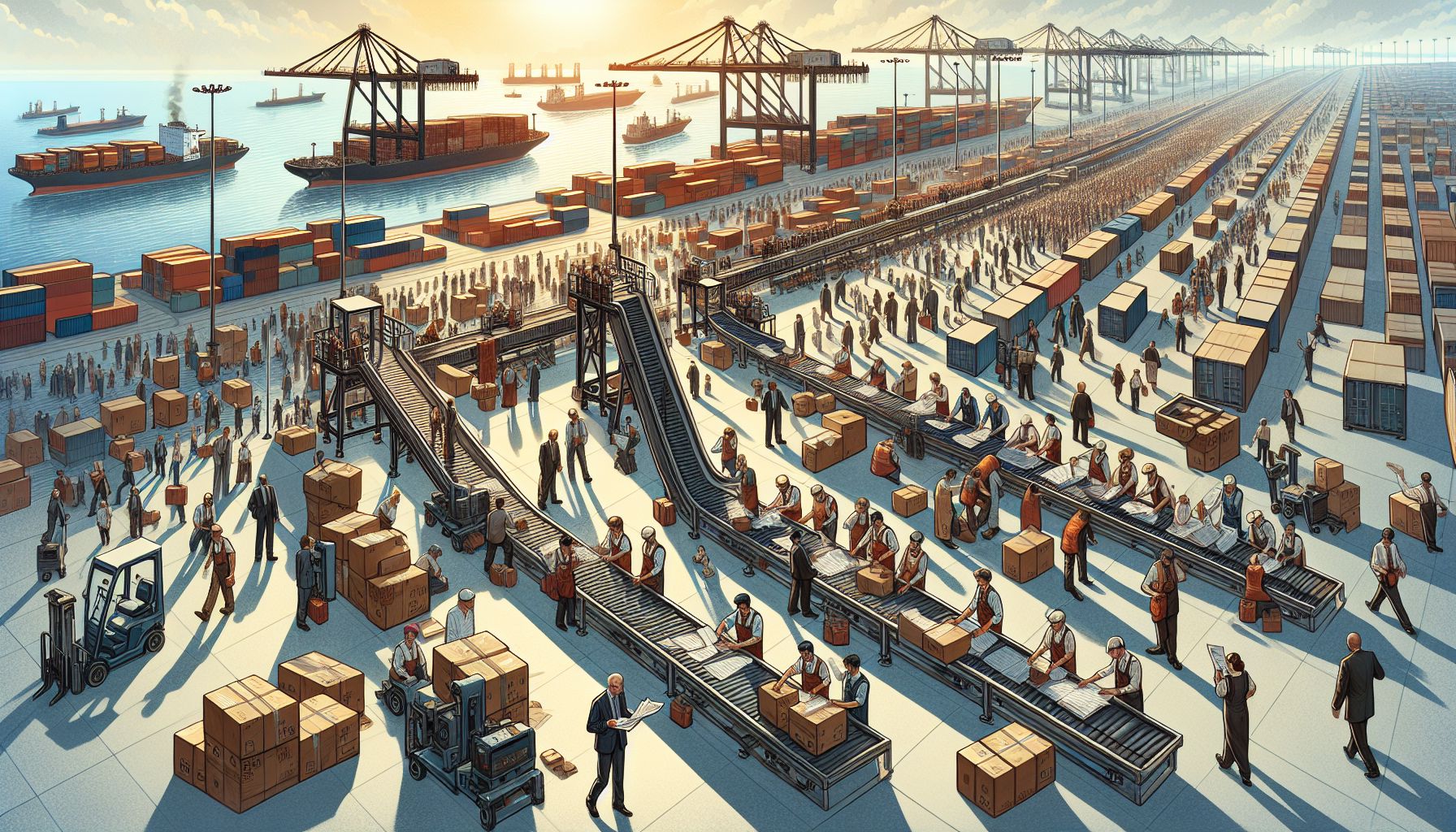
Successfully clearing international customs is vital for global trade. Navigating these procedures can often seem intimidating, but careful preparation ensures smooth transportation of goods. This article provides essential guidelines to prepare freight shipments for international customs clearance.
Understanding Customs Requirements
Every country sets its own customs regulations. Businesses must understand these rules to ensure compliance. Key factors include tariff classifications, import/export restrictions, and required documentation. For example, the U.S. Customs and Border Protection website provides guidelines for preparing for customs. Consulting these resources can prevent costly delays and fines.
Essential Documents
Accurate documentation is crucial for customs clearance. Key documents include:
-
Bill of Lading: This document serves as a contract between the shipper and carrier. It details the cargo being transported.
-
Commercial Invoice: This is a bill for the goods from the buyer to the seller. It lists the selling price, description, and terms of sale.
-
Packing List: This document details the contents of the shipment. It helps customs officers verify the cargo.
-
Certificate of Origin: This declares the origin of the goods. It determines tariff treatments.
-
Import/Export Licenses: Some goods require special permits. Check with local authorities to determine if a license is mandatory.
Classifying Goods for Tariffs
Countries impose tariffs based on product classification. Correctly classifying goods helps determine applicable tariffs. Use the Harmonized System (HS) codes, an international standard for classifying traded goods, to make these determinations. Proper classification can significantly impact total costs.
Inspecting Goods Before Shipping
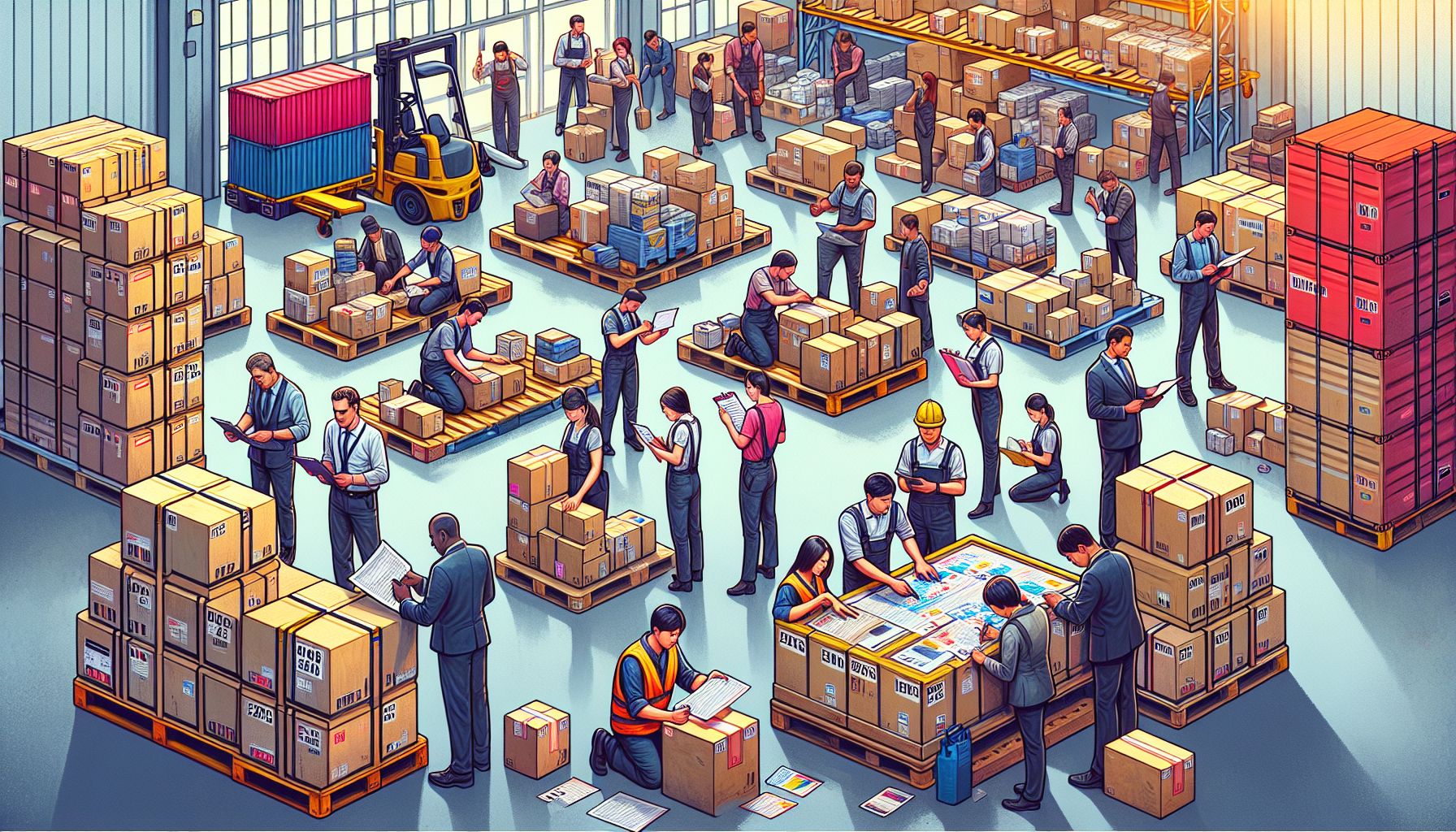
Thorough inspection of goods before shipping saves time and money. Ensure that goods meet the standards of the destination country. Packaging must withstand transit and comply with specific regulations. Proper labeling helps customs officials quickly assess the shipment.
Pros and Cons of Inspections
Pros:
- Reduces Delays: Identifying issues early prevents holds at customs.
- Ensures Compliance: Verifying standards ensures compliance with local laws.
- Prevents Damages: Proper packaging protects goods and minimizes loss.
Cons:
- Additional Costs: Inspections may incur extra costs.
- Time-Consuming: They can add time to the shipping process.
Partnering with Customs Brokers
Customs brokers can simplify the clearance process. These professionals offer expertise in regulations and documentation. A good broker can help businesses avoid pitfalls and ensure compliance. They also provide valuable guidance throughout the shipping process.
Choosing a Broker
When selecting a customs broker, consider the following:
- Experience: Look for a broker with a solid track record.
- Specialization: Knowledge of specific product types or regions can be beneficial.
- Reputation: Positive reviews and references indicate reliable service.
Handling Customs Inspections
Random customs inspections are common. Knowing how to handle these inspections ensures minimal disruption. Provide inspectors with all necessary information. Make sure that goods are accessible and packaging is secure. Cooperation and transparency with customs authorities can speed up the process.

Managing Delays and Complications
Despite best efforts, delays can occur. Be prepared to address issues efficiently. Having contingency plans helps manage unexpected complications. Maintain open communication with all parties involved. This ensures resolution and prevents further delays.
Common Causes of Delays
- Incomplete Documentation: Missing or incorrect information can halt shipments.
- Misclassified Goods: Incorrect tariff classification leads to compliance issues.
- Non-Compliance with Regulations: Failing to meet local standards results in holds or penalties.
Keeping Up to Date with Regulations
Regulations change frequently. Keeping informed about these changes is crucial. Subscribe to newsletters from customs authorities and industry organizations. Regular updates ensure compliance with the latest rules and can protect against penalties or delays.
Conclusion
Preparing freight shipments for international customs clearance does not have to be complex. Understanding requirements, completing documentation, and collaborating with experts ensures smooth transit. Staying informed and proactive minimizes risks and optimizes the shipping process. Use available resources, such as customs websites and industry contacts, to stay ahead and ensure seamless international trade.






Comments are closed